 100% Secure Payments
Energy Guide Labels Explained: How to Read Performance and Efficiency Ratings


When comparing residential, commercial, or certain industrial air movement products, performance claims can start to sound the same. That’s where the Energy Guide label comes in. Designed to provide standardized, easy-to-understand efficiency information, Energy Guide labels help buyers make informed decisions based on real, measured data.
A Brief History of the Energy Guide Label
The Energy Guide label was created in the late 1970s as part of the Energy Policy and Conservation Act (EPCA) in the United States. The goal was simple but impactful: give consumers transparent, comparable energy-use information so they could better understand operating costs and efficiency before purchasing appliances and equipment.
Today, the program is overseen by the Federal Trade Commission (FTC), which sets testing procedures and labeling requirements. While Energy Guide labels are commonly associated with household appliances, they’ve become increasingly relevant for commercial and industrial products—especially where energy efficiency and performance matter at scale.
How to Read an Energy Guide Label
At first glance, an Energy Guide label may look technical, but it’s actually designed to be straightforward. Here’s how to break it down:
Estimated Annual Operating Cost
This section shows the estimated yearly energy cost to operate the product, based on national average electricity rates and typical usage assumptions. The comparison bar beneath it shows how that cost stacks up against similar models, helping you quickly understand where the product falls within its category.

Measured Performance (Airflow)
For air movement products, airflow is a critical metric. Measured in cubic feet per minute (CFM), this value represents how much air the fan moves. Higher airflow usually means more effective air circulation, which can directly impact comfort, productivity, and environmental control.
The label also includes airflow efficiency, typically expressed as CFM per watt, indicating how effectively the product converts energy into air movement.
Energy Use
This figure shows how much power the product consumes during operation. Lower wattage combined with high airflow indicates a more efficient system—moving more air while using less energy.
Additional Information
At the bottom of the label, you’ll find references to the FTC’s energy resources, where users can learn more about testing methods, assumptions, and energy consumption standards.
Why Energy Guide Labels Are Important
Energy Guide labels serve an important role beyond compliance:
-
Transparency: They provide verified, standardized performance data.
-
Comparison: Buyers can easily compare similar products across brands.
-
Cost Awareness: Estimated operating costs help forecast long-term expenses.
-
Efficiency Focus: Encourages smarter purchasing decisions that align with sustainability and energy goals.
For facilities managing large spaces or running equipment for extended hours, even small efficiency differences can result in meaningful energy savings over time.
What Energy Guide Labels Mean for Businesses
Although Energy Guide labels were originally created for residential consumers, they are also valuable for businesses managing energy use across larger facilities. In commercial spaces such as warehouses, manufacturing plants, gyms, and agricultural buildings, air movement equipment may run for many hours each day. Because of this, even small differences in efficiency can significantly affect long-term operating costs.
Energy Guide labels help businesses evaluate the total cost of ownership by providing estimated annual operating costs based on standardized testing. This allows facility managers and procurement teams to compare products across manufacturers using consistent performance data.
They also support energy efficiency and sustainability goals, as airflow efficiency shows how effectively a fan converts electricity into air movement. Higher efficiency means more airflow with less energy use.
In facilities that operate multiple fans across large spaces, these efficiency gains can add up quickly. Understanding Energy Guide labels helps businesses make informed equipment decisions that balance performance, energy use, and long-term operational value.
Energy Efficiency in Practice
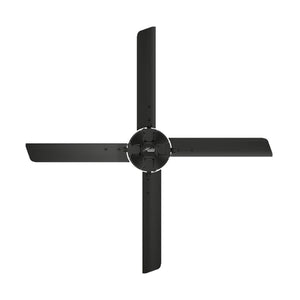
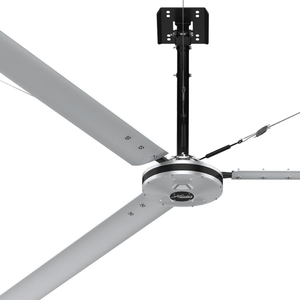
High-performance solutions like Hunter Industrial’s Trak Edge Commercial Fan and XP HVLS Fan (7’ only) are designed with efficiency and real-world performance in mind. When evaluated through standardized testing and represented on an Energy Guide label, their airflow output and energy use can be clearly understood and confidently compared—helping facility managers or business owners choose solutions that deliver both performance and long-term value.
Making Informed Decisions
Energy Guide labels aren’t just stickers—they’re tools. Whether you’re upgrading equipment, planning a new facility, or optimizing energy use, understanding how to read and interpret these labels empowers you to make decisions backed by data, not assumptions.
When performance, efficiency, and operating costs matter, the Energy Guide label helps point the way.