 100% Secure Payments
How To Choose the Right Fans for Warehouse Dock & Door Areas
Share:


TABLE OF CONTENTS
Types of Warehouse Fans HVLS vs. Wall-Mount Fan Fan Size & Coverage Guidelines Where to Place Fans Noise & Energy Considerations Final Checklist FAQsWhen summer heat builds up in busy loading zones, warehouse dock fans are critical for keeping your team safe and productive. Without the right air movement, these spaces can quickly become uncomfortable and impact worker focus. Choosing the right fan solution for these high‑traffic areas can make the difference between a productive, efficient operation and one struggling with heat stress management.
The stakes go beyond comfort. In today's warehouses, dock teams are often the first to feel the effects of rising heat and poor airflow. Long stretches on concrete floors, handling freight next to running equipment, and constant in‑and‑out truck traffic create microclimates where the temperature can feel hotter than elsewhere in the building. This doesn't just slow work, it increases the risk of heat illness and can lead to costly downtime.
The good news? You don't need a full-scale HVAC overhaul to make an impact. Strategic use of fans for loading dock areas—the right type, in the right place—can create consistent airflow that provides a perceived cooling effect for workers, helps prevent heat stress, and supports your compliance efforts.
In this guide, we'll walk you through OSHA's expectations for air movement, compare different industrial fan options, and help you choose a solution that works for your space, your team, and your budget.

Meeting Expectations: OSHA Warehouse Ventilation
OSHA doesn't set a single "too hot" number for warehouses. Instead, the agency enforces workplace safety through the General Duty Clause and its Heat Illness National Emphasis Program (NEP). These guidelines require employers to identify and control heat hazards, provide training, and take action to protect workers, especially during heat waves or when indoor spaces trap heat.
So what does that mean for a warehouse dock? Inspectors will look for signs that you're actively managing hot conditions. They'll ask about your heat illness prevention plan, check that employees have easy access to water and rest breaks, and assess whether air is moving enough to help workers feel comfortable. While OSHA warehouse ventilation systems like HVAC are responsible for temperature control, portable and fixed fans play an important supporting role by keeping air circulating where it's needed most.
In fact, the NEP specifically notes that employers should use engineering controls like air movement to reduce heat buildup. Fans won't fix a poorly ventilated building on their own, but as part of a broader plan, they help keep conditions from becoming dangerously stagnant.
Types of Warehouse Fans: Pros and Cons
Not all industrial fans for warehouses are alike. The best choice for your dock or door area depends on your layout, workflow, and how much airflow you need. Below is a quick comparison of the most common options:
| Fan Type | Best For | Pros | Cons |
|---|---|---|---|
| HVLS (High Volume, Low Speed) |
Large open dock and warehouse spaces | Moves massive amounts of air quietly; energy efficient; can lower perceived temperature by 7-10°F | Higher upfront cost; fixed installation; best with high ceilings |
| Wall-Mount Fans (and Pedestal Fans) |
Targeted airflow along dock walls and bays | Space-saving; directs airflow exactly where needed; permanent fixture | Smaller affected area than HVLS; requires electrical runs on walls |
| Drum/Portable Barrel Fans | High-activity zones or temporary needs | Portable; strong airflow; flexible placement | Higher decibels; cords on flooring; focused airflow |
| Dock & Door Arm-Mount Fans | Individual dock doors or narrow areas | Adjustable articulating arm; directs airflow into trailers and around obstacles | Must be mounted to wall or post |
HVLS vs. Wall-Mount Fan: Which Should You Choose?
Think of HVLS vs. wall-mount fan selection as a question of scale. If you need to improve airflow in a wide-open dock area with high ceilings, HVLS fans offer unmatched coverage and efficiency. If your focus is workstations, truck bays, or assembly lines, Hunter Air Circulators or Jan Fans (wall-mounted units, drum fans, and pedestal fans) deliver targeted airflow where people need it most.
Pro tip: Many facilities use a combination of HVLS fans and air circulators to keep air moving across the whole area, supplemented with wall-mounted or dock-arm fans to break up stubborn hot zones.

Fan Size & Coverage Guidelines
A few simple rules of thumb can help you size your fans so that you get effective air movement without overspending on equipment.
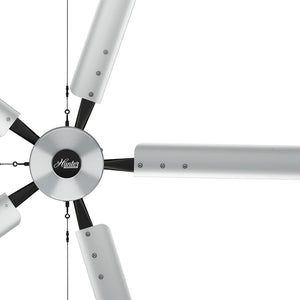
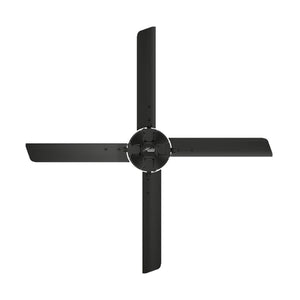
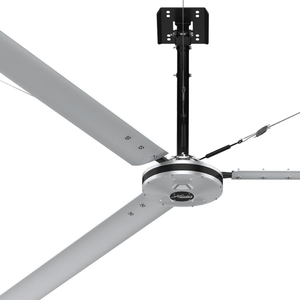
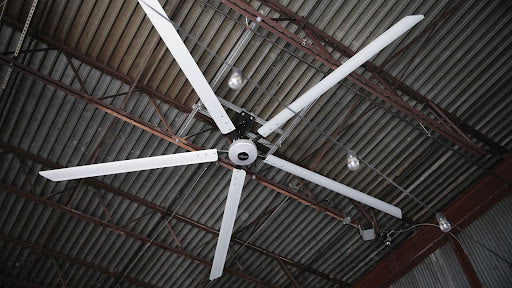
- HVLS Fans: A single 18-24-foot high-volume, low-speed fan can move air across 8,100-22,500 square feet, depending on the fan size, ceiling height, and obstructions. These fans are ideal for creating slow-moving air that blankets the entire dock area.
- Wall-Mount Fans: Plan for roughly one wall-mounted fan every 20-30 feet along your dock walls or between bays. This gives you overlapping zones of airflow, so no corner feels stagnant.
- Drum/Portable Fans: Use a Hunter Air Circulator Drum Fan or an outdoor-rated Jan Fan Drum Fan where your teams are constantly on the move, such as unloading trucks, staging freight, or during peak shifts. Their wheels allow you to quickly reposition them as work zones change.
For especially tight dock spaces, consider a dock-and-door arm fan, like the Jan Fan articulating arm mount. This clever mount, compatible with 12", 18", 20", and 24" Jan Fans, allows the fan to be pulled into position when needed and folded back against the wall when not in use, keeping aisles clear while providing powerful airflow right into a trailer.
Layered airflow works best. Many facilities see the best results by combining a big HVLS fan overhead with smaller wall-mounted or portable units. This layered approach creates a broad base of airflow with added bursts of air exactly where it's needed most.
Where To Place Fans for Maximum Impact
Strategic placement is key to moving hot, trapped air out of your dock area and bringing fresh air in. Here are some of the most effective locations for warehouse dock fans:
- At or near dock doors: Direct airflow in and out of the building. This helps flush out the hot, stale air that builds up when trailers block cross-breezes.
- Between truck bays: This is where heat can collect like a wall. Fans placed here keep these "dead zones" from turning into hot spots.
- Assembly or packaging lines: Continuous air movement keeps people comfortable even during long stretches of standing work.
- Inside trucks while unloading: An articulating arm or portable fan can push air into the trailer, which is often the hottest, most airless spot in the dock.
- Workstations and staging areas: Airflow around these zones keeps workers alert and productive.
- Break areas and time clocks: These small, high-traffic spaces benefit from a little extra breeze to help people recover during short breaks.

Creating a Steady Flow
When designing your warehouse fan placement guide, think of air as water: you want to create a steady flow that moves through every part of the dock, reducing pockets of stillness. Often, this involves pairing one big HVLS fan overhead with smaller, more targeted fans near doors and tight corners.
Proper placement has two big payoffs: comfort and efficiency. Workers in comfortable conditions stay focused and productive, and well-placed fans mean you can use fewer units overall, saving on energy while improving airflow where it matters most.
Noise & Energy Considerations
Airflow is important, but so is the impact a fan has on your environment when it's running continuously. Two key factors to consider when evaluating fans for loading dock areas are noise and energy consumption.
Noise Levels
HVLS fans are surprisingly quiet for their size. Their slow-moving, large blades and Direct Drive Motors typically generate less than 50–55 decibels, about the sound level of an office conversation.
Wall-mount fans tend to run a bit louder, in the 60–70 decibel range, depending on size and speed. Drum or portable barrel fans can be the noisiest of the bunch. While effective, they often exceed 70 decibels at full speed, which can add to background noise in a busy dock.
Energy Usage
Modern HVLS fans are very energy-efficient, drawing just a fraction of the energy you might expect for their size. Because of their aerodynamic efficiency and lower-speed operation, Hunter Industrial's Direct Drive Motor HVLS fans can lead to lower total energy consumption for massive air circulation in large spaces.
Wall-mounted fans draw modest power and can be zoned (turned on only where people are working) to keep usage low. Portable fans vary, but since they're often used in bursts, they can be a flexible, low-cost way to add airflow where needed.
Pro tip: Energy-efficient fan models like Hunter Industrial's HVLS fans open the door to potential utility rebates or incentives, making them a smart long-term investment. By choosing fans that balance power with efficiency, you can improve the cooling effect on your dock without driving up your electric bill.
Final Checklist: What to Consider Before Buying
Before you make your final fan selections, take a step back and look at the big picture. The right fan setup balances performance, comfort, and compliance. Use this checklist as a quick guide:
- Dock area square footage: How much space are you really trying to cover?
- Number and layout of bays: Will fans need to serve multiple doors simultaneously, or focus on a single, busy dock?
- Ceiling height: HVLS fans need clearance to work effectively.
- Noise tolerance: Are you looking for quiet operation, or is some fan noise acceptable?
- Energy usage goals: Would a more efficient fan help you control long-term costs?
- Heat Stress considerations: Have there been worker complaints related to heat? Implement tips for heat stress prevention from OSHA.
Answering these questions helps you narrow your options and create a warehouse solution that's effective on day one and doesn't require constant rework.
Warehouse Dock Fans From Hunter Industrial Keep Work Areas Productive
With the right combination of warehouse dock fans, strategic placement, and a clear plan, your team can stay comfortable and productive throughout the year. Whether you need broad coverage from a HVLS fan or targeted air circulation from wall-mount units, Hunter Industrial has fans that fit your space and budget.
FAQs: Warehouse Dock Fans
Below, we've answered a few common questions about warehouse dock fans. Please contact us for additional information.
It depends on your facility's layout, ceiling height, and airflow goals. HVLS fans are ideal for wide coverage in tall-ceiling docks, while wall-mounted or drum fans work well in tighter, more targeted zones.
Hunter Industrial HVLS fans are engineered for lower energy consumption while covering large spaces. Our HVLS fan models are designed with Direct Drive Motors and automated wall controllers that help with efficiency.
Ideal placements include:
- Directly above or adjacent to dock doors
- Between truck bays to break up stagnant air
- Near breakrooms, time clocks, and high-traffic worker zones
Our fans can be installed with minimal downtime. With our Hunter Industrial Precision Services™, we are available to install your HVLS fan for you!
Share:


Products
Industry Leading Efficiency