
 100% Secure Payments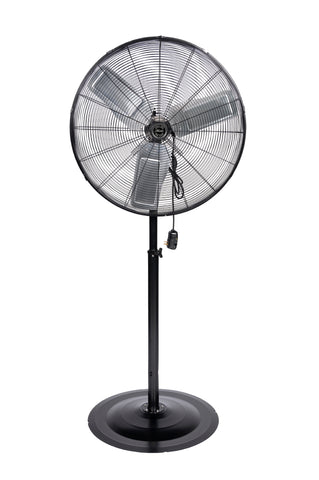


Types of Cattle Fans
The key is matching the right fan type to your setup so you're moving air where your cattle actually need it. Here's a breakdown of the main options you'll see in cattle operations:
Air Circulators
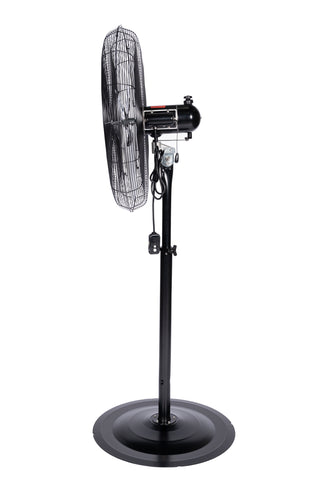
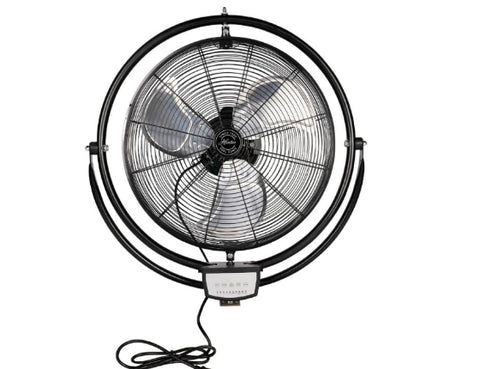
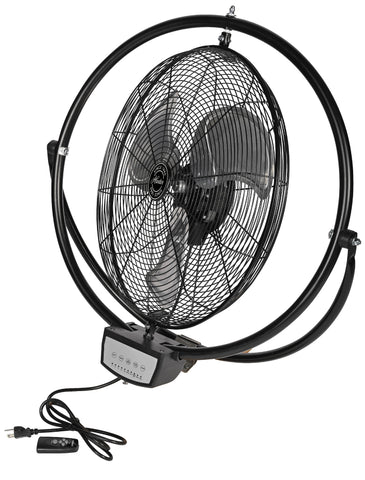
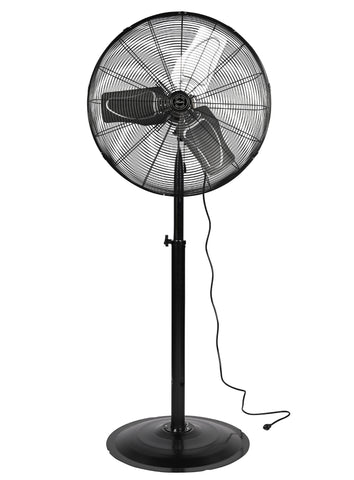
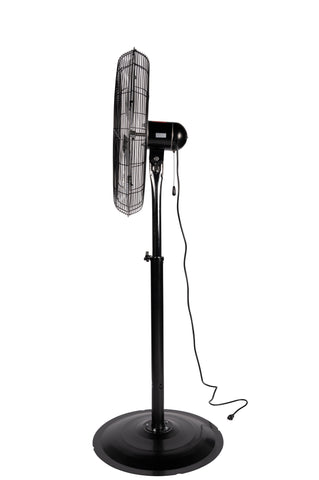
Think of these as your steady, all-day workhorses. Wall-mounted models, such as an Orbital Wall Fan, or portable options, like a Hunter Air Circulator Pedestal Fan or rugged Jan Fan, keep the air in motion so it doesn't sit and become stale. They're great for pushing that "breeze" effect down the length of a feed lane or across holding areas, helping keep cows more comfortable from sunup to sundown.
Misting Fans
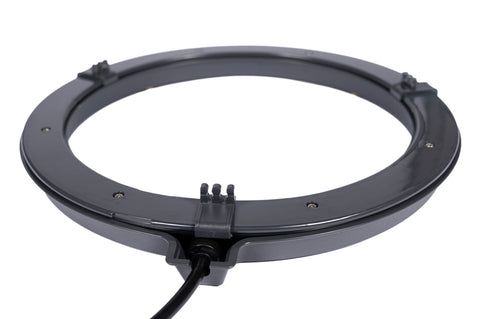
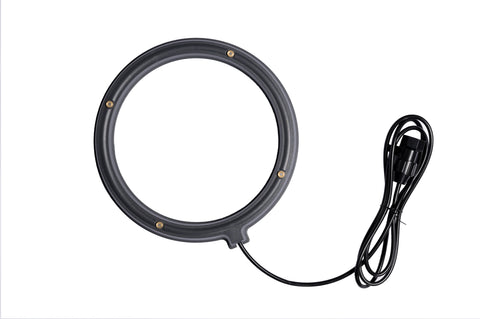
In dry climates, adding fine water droplets to moving air can provide extra cooling for cattle without soaking them. Cattle misting fans combine mist with strong circulation to help reduce heat stress on the hottest days. The Hunter Air Circulator Oscillating Outdoor Pedestal Fan can be equipped with a misting kit made specifically for this fan. It is not recommended to use the misting kit with other fans or systems, as it is engineered for a precise fit and performance with this model only.
Drum Fans
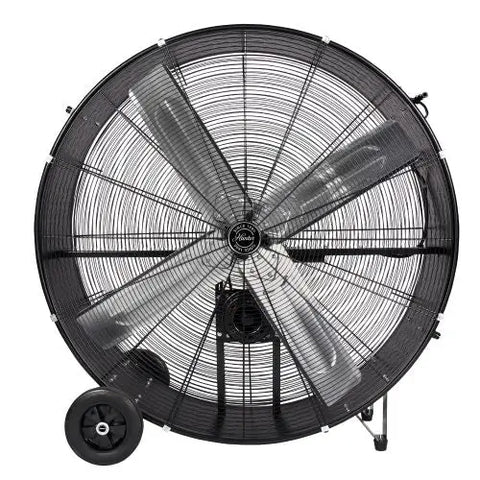
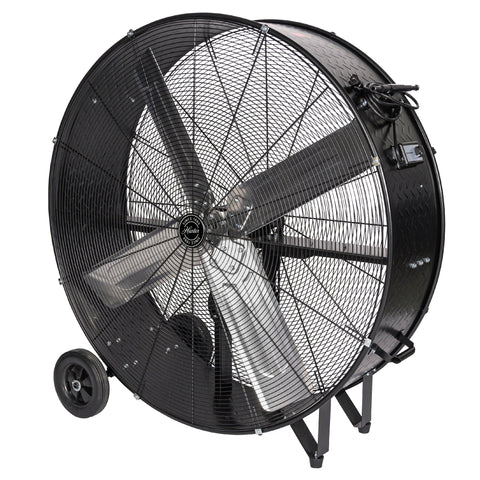
Need serious airflow in rugged environments? Jan Fan Drum Fans deliver high-velocity performance in a durable, outdoor-rated design. Their portable frame lets you roll them exactly where you need cooling, making them ideal for covered outdoor barns, auction areas, and demanding temporary setups. When heat and humidity rise, this fan brings a powerful breeze right to the herd.
Dairy vs. Beef Cattle Fan Needs
Dairy and beef cattle both need relief from the heat, but the best way to manage airflow for each is a little different.
Dairy Barns
Milk cows are especially sensitive to heat stress. Even mild discomfort can cause them to eat less and drop milk production, and once production dips, it can take a while to bounce back. That's why dairy operations often run fans around the clock during the warmer months. You'll see dairy barn fans lined up over feed lanes, in holding pens, and above bedding areas to keep the air moving steadily all day long. Consistency is key here. A constant, gentle breeze helps keep core body temperatures in check and supports healthy milk yields.
Beef Operations
Beef cattle tend to have more seasonal airflow needs. If you're finishing cattle in a feedlot or enclosed barn, heat stress can still affect feed intake and weight gain. The difference is that you may only need heavy use of beef cattle fans during the peak summer stretch, focusing airflow on shaded rest areas or high-density spots. In open-sided or pasture setups, portable options like drum or pedestal fans can be moved where the herd gathers, giving you flexibility without running power across the whole property.
Bottom line? The right setup depends on how your cattle are housed, the climate you're working in, and how much airflow you need to keep your herd performing at its best.
How to Choose the Right Fan
The goal in picking a fan for your cattle barn is to get steady, effective air circulation for cattle without wasting energy or blowing your budget. Here's what to look at before you buy:
- Barn Size & Layout: Measure your space and think about where your cattle spend most of their time — over the feed bunk, in holding areas, resting in stalls. A long, narrow barn may require smaller fans placed along its length, while a wide, open space could be better served by a few high-RPM models.
- Airflow Requirements: Look for fans with the right balance of speed and comfort. Higher-RPM models create strong, targeted airflow that helps move heat away from the animals and refresh the air in the barn. The key is to provide a steady breeze without blasting cattle directly, since too much force can stir up dust or cause stress, while too little won’t relieve heat load.
- Climate & Humidity: In hot, dry climates, adding a cattle misting fan makes sense. In humid areas, focus on constant air movement to keep moisture from hanging in the air.
- Budget & Operating Costs: High-efficiency motors might cost more up front, but they'll pay you back in lower electric bills and longer service life. Look at the total cost of ownership, not just the sticker price.
- Flexibility: If your herd moves seasonally or your barn setup changes, portable options such as pedestal or drum fans can be a smart choice. If you've got a fixed layout, wall-mounted or ceiling-mounted units will be more efficient.
Best Practices for Fan Placement
You can buy the best fan on the market, but if you put it in the wrong spot, you're leaving performance (and cattle comfort) on the table. Strategic placement is what turns a good fan into a great fan for a cattle barn setup.
- Start With the Hot Spots: Walk your barn on a hot afternoon and pay attention to where the air feels still and the cattle bunch up. Those are your priority zones. Common spots? Over feed lanes, in holding pens, and in corners where airflow gets trapped.
- Think Angles, Not Just Location: Point fans so the airflow skims over the backs of your cattle instead of blasting them in the face. A gentle, consistent breeze is more effective than a short, strong burst.
- Stagger for Coverage: In long barns, place fans in a staggered pattern so the breeze flows the full length without creating dead spots.
- Mind the Height: Mount fans high enough that cattle can't reach them, but low enough to keep airflow at cow level. In many cases, that sweet spot is 8–10 feet off the ground.
- Combine Fan Types for Best Results: Using pedestal fans along feed lines plus wall-mounted units for general movement can help balance airflow in tricky layouts.
Proper placement isn't just about comfort. It also helps prevent moisture buildup, improves feed intake, and supports overall herd health.
Energy Efficiency and ROI
Choosing energy-efficient barn fans can save you money month after month, all while giving your cattle the airflow they need.
- High-Efficiency Motors: They use less power to move the same amount of air, which means lower electric bills over the long haul.
- Smart Controls: For Jan Fan Head Assembly models, an optional Energy Savings Module can help lower energy costs by automatically shutting the fan off after a preset time of 4, 5, 6, or 10 hours. That way, the fans only run when they’re needed, preventing unnecessary operation and reducing electric bills.
- Low Maintenance, Longer Life: Well-built fans last longer, translating to fewer replacements and repairs over the years.
- The Payback: While an efficient fan system might cost more upfront, it pays for itself through reduced energy costs, improved cattle comfort, and better productivity. More milk in the tank, more weight on the scale — that's money back in your pocket.
Keep Your Herd Comfortable & Your Operation Profitable With the Best Cattle Fans From Hunter Industrial
Hunter Industrial provides durable, high-performance cattle fans built to deliver reliable airflow where your herd needs it most. Call us today or browse our full online selection of fans for cattle barns.
Frequently Asked Questions About Cattle Fans
Below, we've herded together a few common questions about barn fans. Please contact us for additional information.
How many cattle fans do I need for my barn?
What's the difference between circulation fans and exhaust fans?
Are cattle misting fans safe to use?


Start Your Hunter Industrial Fan Journey
At Hunter Industrial We Know Air. Our Industrial And Commercial Fans Are Carefully Crafted To Meet The Needs Of Your Detailed And Delicate Industry. Our Experts Are Ready To Work With You To Design A Perfect Airflow Plan To Enhance Your Space. Fill Out The Form To Connect With Us Today.
Like Talking To Real People?
So do we. Reach a Hunter Industrial sales rep