 100% Secure Payments
The Hidden Cost of Heat at Loading Docks


Loading docks are among the most demanding areas in any facility. Constant movement, open doors, and exposure to outdoor conditions make them especially prone to heat buildup. While dock discomfort is often treated as unavoidable, unmanaged heat can quietly affect productivity, safety, and equipment—creating costs that extend far beyond employee discomfort. NIOSH reports that more than 13 million U.S. workers are exposed to extreme heat at work each day, contributing to measurable losses in productivity, increased fatigue, and higher safety risk.
Addressing airflow at the dock supports people, performance, and operations where it matters most.
Managing Airflow at the Dock Entrance
Dock doors allow warm air and humidity to enter throughout the day. Without consistent air movement, heat settles near door openings, loading zones, and ceilings—especially during peak traffic hours. These conditions can persist even when the rest of the facility feels manageable.
Because docks sit between indoor and outdoor environments, general airflow from interior spaces often isn’t enough. Warm air continues to enter while stagnant air lingers—creating uneven temperatures and uncomfortable working conditions.
This is where intentional airflow strategies begin to matter.

Improving Dock Conditions to Support Retention
Dock roles are often physically demanding. As dock temperatures rise, fatigue tends to set in faster, recovery time increases, and focus can decline. Over time, persistent discomfort can contribute to reduced productivity, more frequent breaks, and higher turnover risk—especially during warmer months.
Targeted airflow allows facilities to support consistent perceived cooling in active work zones, helping employees stay engaged and comfortable throughout their shifts. In people‑first operations, improving dock airflow supports the workforce directly—without relying solely on HVAC systems to do all the work.
Airflow That Supports Awareness and Efficiency
Heat changes how work gets done. Elevated temperatures can slow reaction times, increase the risk of mistakes, and reduce awareness in environments where forklifts, pallet jacks, and vehicle traffic are constant.
Moisture buildup near open doors can also contribute to slick surfaces and condensation on equipment. Without air movement to support circulation and drying, these risks increase—leading to workflow disruptions and preventable safety concerns.
Balanced airflow helps create more predictable working conditions that support efficient movement through the dock.
Why Docks Require Targeted Airflow
Dock areas don’t benefit from broad, overhead airflow alone. Because heat and moisture enter at specific points, targeted air movement is often the most effective way to address dock‑specific challenges.
This is where industrial air circulators and ceiling fans play an important role. Products like Jan Fans and Hunter Air Circulators are designed to deliver focused airflow where work happens—near doors, staging lanes, and loading zones. Their directional nature allows teams to address heat and stagnant air without disrupting surrounding spaces.
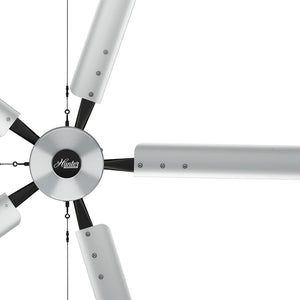
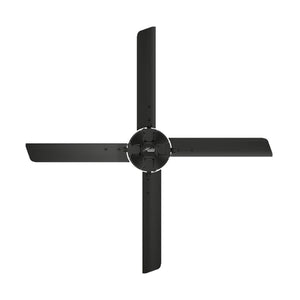
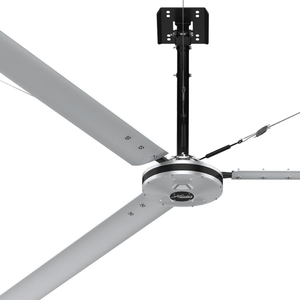
In larger dock environments or adjacent warehouse areas, HVLS ceiling fans can complement air circulators by supporting overall air distribution, helping balance temperatures and reduce stratification beyond the dock itself.
Together, this layered approach allows facilities to move air intentionally—rather than relying on a single solution to solve multiple challenges.
Supporting Equipment and the Facility Environment

Dock‑area heat doesn’t only affect people. Temperature swings and moisture near doors can accelerate wear on dock equipment, packaging materials, and surfaces. Stable airflow helps reduce condensation, improve drying, and support a more consistent working environment for both people and assets.
By thinking of airflow as part of operational continuity—not just comfort—facilities can help protect uptime and reduce surprise downtime related to environmental conditions.
Improving Heat Stress at Dock and Doors
The effects of dock‑area heat often build quietly: slower workflows, rising fatigue, and increased safety incidents. By the time summer arrives, these challenges are harder to correct quickly.
Facilities that evaluate dock airflow early can take a proactive approach—supporting comfort, safety, and productivity before peak heat takes hold.
Improve airflow at your loading docks and help protect the people, equipment, and operations that keep your facility moving.